Decorative Monogram Letters
A Designer’s First Glance: Elegance with Quiet Confidence
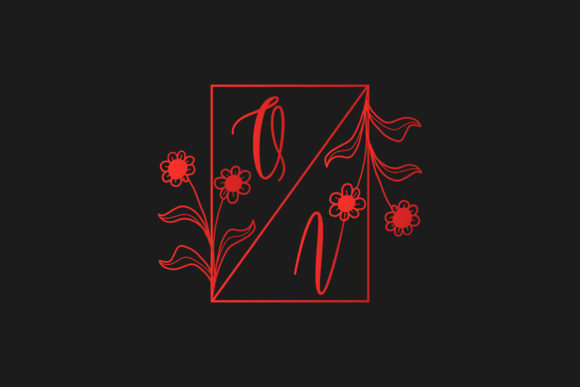
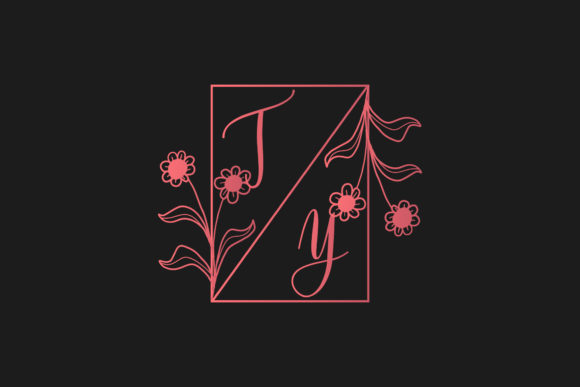
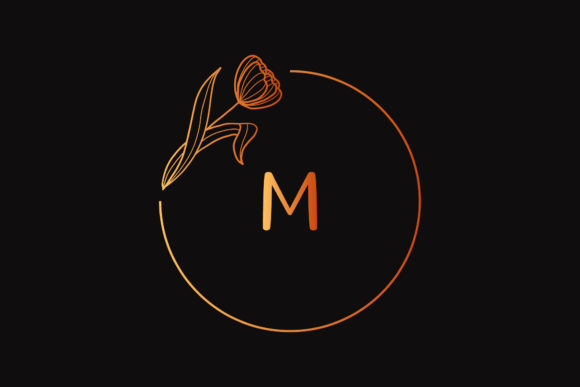
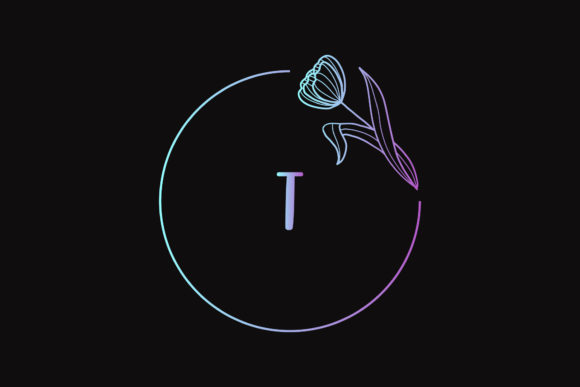
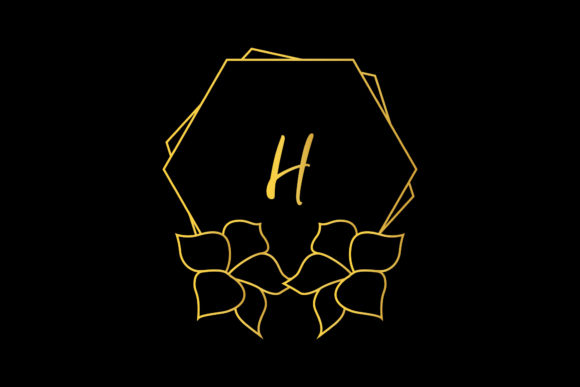
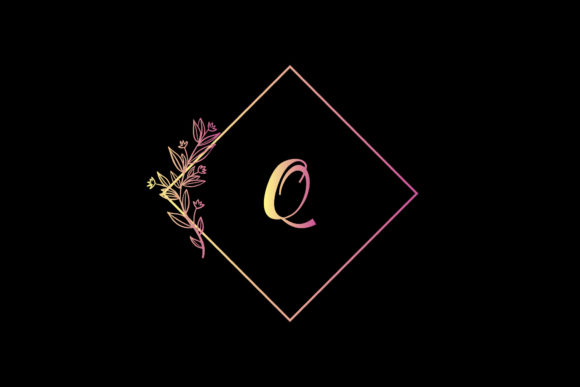
When I opened Decorative Monogram Letters for the first time, what struck me wasn’t flashiness—it was balance. The letters carry a classic monogram structure but soften it with subtle flourishes: gentle curves, open negative space, and just enough decorative line work to feel intentional—not fussy. It reads as timeless rather than trendy, which is exactly what I look for when selecting embroidery files for client work or my own craft business. This isn’t a design that shouts; it invites. That makes it ideal for personalized gifts—think baby onesies, linen tea towels, or boutique tote bags where quiet sophistication matters more than bold statement.
Real-World Test: Stitching It on a Linen-Cotton Tote Bag
Last week, I used Decorative Monogram Letters to embroider a custom tote for a local café’s opening day gift set. I chose a medium-weight natural linen-cotton blend—textured but stable—and stitched the monogram centered on the front panel. Right away, I noticed how well the design handled fabric texture: the satin stitch areas stayed crisp, and the open spaces between letterforms didn’t collapse or fill in unexpectedly. No puckering. No thread nesting. That tells me the stitch density is thoughtfully calibrated—not too sparse (which risks flimsy coverage), not too dense (which can overwhelm lightweight fabrics or cause stiffness).
What really sold me? How it translated from screen to stitch. On-screen, the SVG and AI files looked clean and scalable—but seeing it physically stitched confirmed its integrity. The corners held shape, the curves flowed without jagged transitions, and the overall silhouette remained legible even at 3.5 inches tall. That’s critical for small shop owners who need consistent results across dozens of orders—no re-stitching, no customer complaints about “blurry” monograms.
Where It Shines—and Where to Pause
Decorative Monogram Letters excels in applications where clarity meets charm:
- Custom apparel: Works beautifully on sweatshirts and structured tees—especially when placed on chest or sleeve. The moderate height-to-width ratio avoids distortion on curved seams.
- Baby embroidery: Gentle lines and open spacing make it safe for soft cotton knits. No tight corners to snag tiny fingers.
- Tote bag design & aprons: Holds presence without dominating—ideal for branding a small shop product without looking like a logo slapped on.
- Holiday embroidery & wedding gifts: Its restrained elegance fits seamlessly into neutral-toned nursery decor, linen pillow covers, or monogrammed handkerchiefs.
But here’s where attention matters:
- Thin or stretchy fabric? Always pair with cutaway stabilizer—especially for t-shirts or ribbed knits. The design’s clean lines depend on fabric stability.
- Dark fabric? Test thread color contrast early. Some flourishes fade visually if your top thread lacks saturation against charcoal or navy.
- Curved surfaces (caps, hats)? Stick to smaller sizes (under 2.75") and confirm hoop compatibility—tight curves can distort fine details if the file wasn’t digitized for low-profile stitching.
- Frequent-wash items (kitchen towels, baby clothes)? Reinforce with a light tear-away backing and avoid overly delicate satin stitch edges in high-rub zones.
What It Adds to Your Craft Business—Beyond Aesthetics
As an Etsy seller and embroidery designer, I judge digital embroidery files not just by beauty—but by how they elevate trust and perceived value. Decorative Monogram Letters does that quietly but effectively. When customers see this monogram on a handmade product, they register care: balanced spacing, intentional weight, thoughtful detail. That translates directly to willingness to pay a premium—and repeat purchases.
It also supports brand consistency. Whether you’re offering monogrammed tea towels in your online shop or embroidering staff aprons for a local bakery, this design scales reliably across mediums. Use it in a printable mockup for your Etsy listing, then stitch it identically on the finished product—no visual disconnect. That continuity builds credibility, especially for new craft businesses still establishing recognition.
Practical Notes Every Embroidery Designer Should Run Through
Before stitching Decorative Monogram Letters on your next project, take five minutes to do this:
- Run a test on scrap fabric matching your final substrate—check for pull, stitch definition, and stabilizer performance.
- Review thread colors in both light and dark mockups. Does the design retain personality in black-and-white preview? If not, adjust fill density or outline weight.
- Confirm hoop size compatibility—especially if planning caps or sleeves where space is tight.
- Inspect corners and inner curves at 200% zoom in your embroidery software. Are there micro-stitches that might fray or break on textured fabric?
- Verify licensing terms. Since this is a Graphics-category digital embroidery file intended for Crafts use, confirm whether commercial embroidery rights are included—especially if selling finished embroidered patches or custom apparel.
Final Thought: A Reliable Anchor in Your Design Toolkit
Decorative Monogram Letters won’t replace every monogram in your library—but it earns a permanent spot as the go-to when you need warmth, clarity, and quiet confidence. It’s the kind of machine embroidery design that works as hard behind the scenes as it looks effortless on the front. For small shop owners stitching holiday gifts, Etsy sellers building cohesive collections, or designers prepping client samples—it delivers real-world reliability, not just pixel-perfect promises. And in handmade product development, that’s the difference between a one-time sale and a returning customer who trusts your eye.