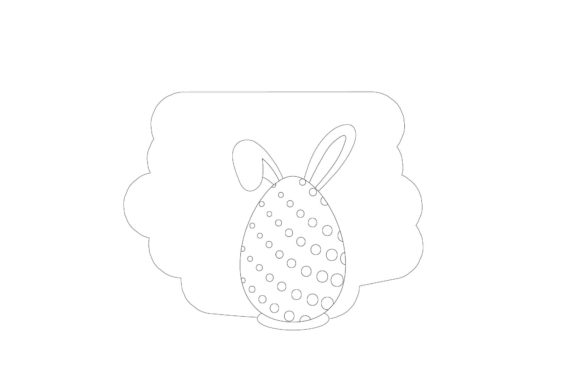
Easter Egg Decorative Coloring Page: Graphics & Coloring Pages Amp
First Impressions: Playful, Handmade, and Seasonally Warm
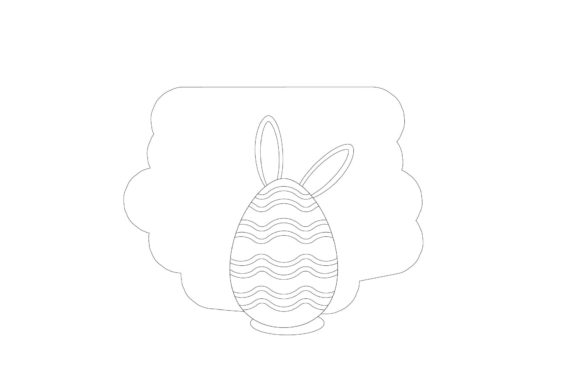
Opening the Easter Egg Decorative Coloring Page for the first time, I immediately sensed its warmth—soft curves, balanced negative space, and a hand-drawn rhythm that feels intentional but never rigid. It’s not hyper-modern or ultra-minimalist; instead, it leans into approachable charm. For a local business like “Honeycomb & Co.”—a small-batch candle and soap brand in Portland—it landed perfectly: feminine without being cloying, festive without feeling generic, and decorative without overwhelming. This graphic design asset suggests a brand personality rooted in care, craft, and seasonal sincerity—not mass-produced cheer, but locally felt celebration.
Where It Fits Real Local Business Branding
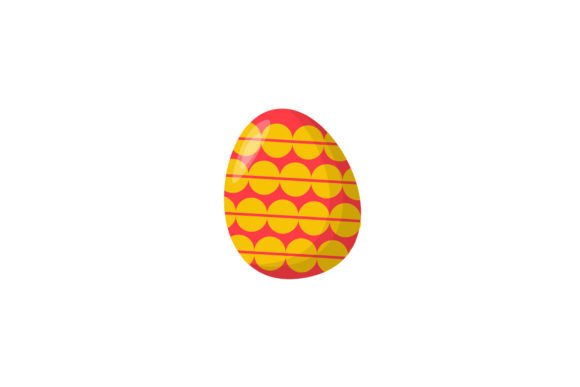
I tested the Easter Egg Decorative Coloring Page across multiple touchpoints for Honeycomb & Co.’s spring launch: product labels, hang tags, thank-you cards, social media banners, and even as a subtle background texture on their website’s seasonal promo section. Its 1920px × 1280px canvas size scaled beautifully across formats—especially when exported to high-res PNG with transparent backgrounds. As an AI file, it remained fully editable: I adjusted line weight for packaging clarity, recolored key strokes to match their signature sage-and-cream palette, and isolated individual egg motifs for use as repeating pattern accents on kraft paper gift boxes.
Stronger First Impression, Clearer Visual Hierarchy
On shelf, the coloring page motif transformed a plain soy wax candle label into something instantly recognizable—no logo redesign needed. Used as a border element around product names and scent notes, it created immediate visual hierarchy: customers’ eyes landed first on the egg motif, then flowed naturally to scent descriptors and brand name. That subtle guidance improved product recognition at farmers’ markets and boutique retail partners. For their Instagram feed, cropped sections of the Easter Egg Decorative Coloring Page became cohesive story highlights—consistent, thematic, and emotionally resonant. That consistency builds trust: shoppers begin to associate that delicate linework with quality, attention to detail, and local authenticity.
Best Use Cases for Small Business Branding
- Product labels & packaging accents: Works especially well on kraft, cream, or soft pastel substrates where contrast supports readability.
- Hero graphics & seasonal campaign visuals: Scaled elegantly for Facebook cover photos, email headers, and printable in-store posters.
- Thank-you cards & printable inserts: Printed on textured cotton paper, the line art translated beautifully—crisp, warm, and tactile.
- Social media graphics & product mockups: Layered over lifestyle photos (e.g., eggs beside lavender bundles or ceramic mugs), it added branded cohesion without competing with photography.
- Boutique visuals & window decals: Simplified vector paths ensured clean vinyl cutouts for seasonal storefront updates.
Where to Use It Thoughtfully
This isn’t a one-size-fits-all asset—and that’s a strength, not a limitation. Avoid using the Easter Egg Decorative Coloring Page in contexts demanding stark minimalism (e.g., luxury skincare with monochrome typography) or dense regulatory layouts (e.g., food labels packed with allergen statements and ingredient lists). On very small labels (<1.5” wide), fine interior linework can blur or disappear—so test early. It also loses impact against low-contrast or busy backgrounds; always preview it beside your actual brand colors and substrate textures. And while it’s joyful and engaging, it doesn’t convey authority or corporate gravitas—so skip formal investor decks or B2B pitch kits.
Practical Brand Designer Notes
Before committing to production, I ran these checks—every time:
- Test on real packaging mockups: Printed at 300 DPI on actual label stock, not just screen previews.
- Check black-and-white usage: Confirmed line integrity when converted to grayscale—critical for eco-friendly uncoated paper printing.
- Preview on small labels: Zoomed to 200% to verify legibility of interior details at scale.
- Test with all brand fonts: Paired it beside serif (Playfair Display), sans serif (Montserrat), script (Dancing Script), and handwritten styles—each yielded distinct brand tones.
- Review SVG/PNG transparency: Ensured clean edges and no hidden raster layers that could cause bleed or misalignment in print.
- Confirm commercial licensing: Verified this is a commercially licensed digital product—not clipart or editorial-only content—before applying it to physical goods for sale.
- Compare with competitor packaging: Held it up beside three regional competitors’ spring lines—its handmade rhythm stood out meaningfully.
Why It Elevates Local Business Presentation
In a crowded marketplace, small businesses win through distinctiveness and perceived care. The Easter Egg Decorative Coloring Page isn’t just decoration—it’s a tool for intentionality. When used thoughtfully within a broader brand identity, it reinforces handmade credibility, strengthens emotional connection during seasonal moments, and elevates shelf appeal without increasing production cost. For food businesses adding Easter-themed jam jars, florists designing spring bouquet tags, or children’s product brands launching limited-edition packaging, it offers professional-grade flexibility: scalable, editable, and deeply adaptable. It bridges the gap between creative marketplace convenience and commercial design rigor—especially when paired with strategic color, typography, and layout decisions.
Final Takeaway for Creative Entrepreneurs
If you’re a local business owner, packaging designer, or marketer evaluating design assets like the Easter Egg Decorative Coloring Page, remember: the strongest graphics don’t shout—they resonate. This asset earns its place not because it’s flashy, but because it’s functional, flexible, and faithful to a specific, human-centered brand voice. Whether you’re building a Canva template for seasonal social posts, refining a product mockup for Etsy, or developing a full small business branding system, treat it as a foundational piece—not filler. With smart adaptation and consistent application, it becomes part of your brand’s quiet confidence: professional branding, rooted in real local business values.