Elegant Decorative Mothers Day DXF 5
First Impressions: Graceful, Not Gaudy
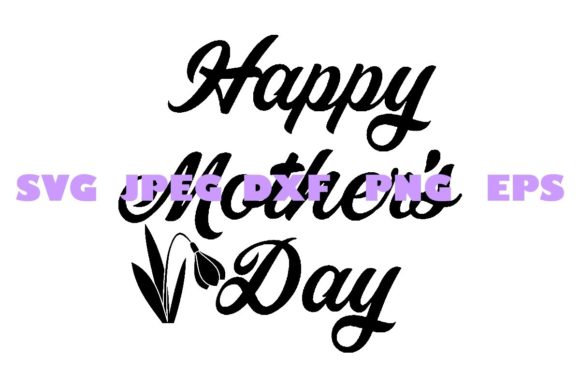
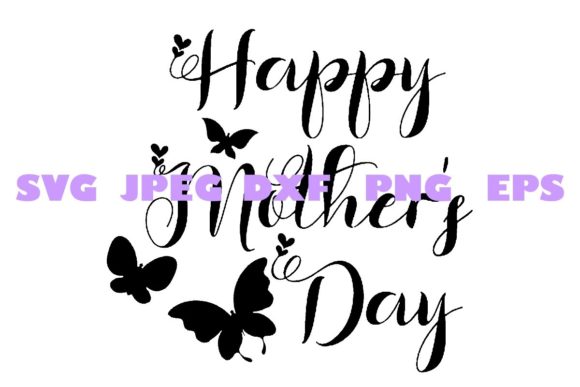
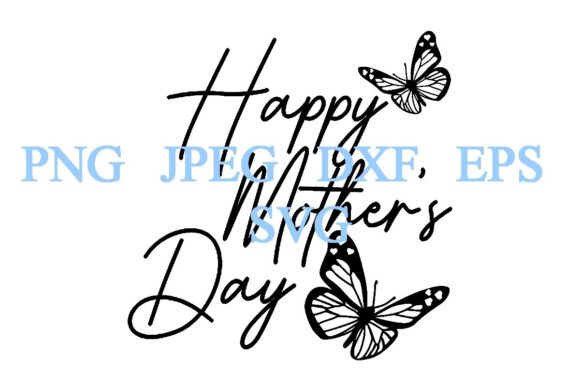
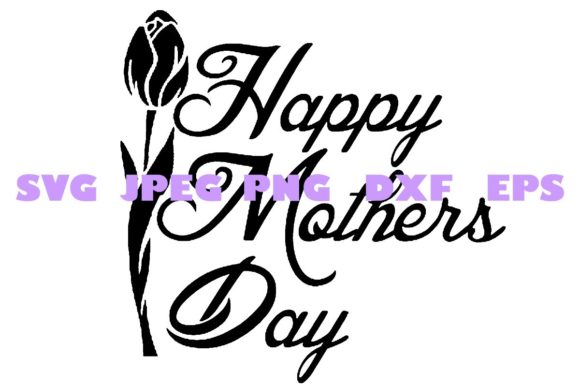
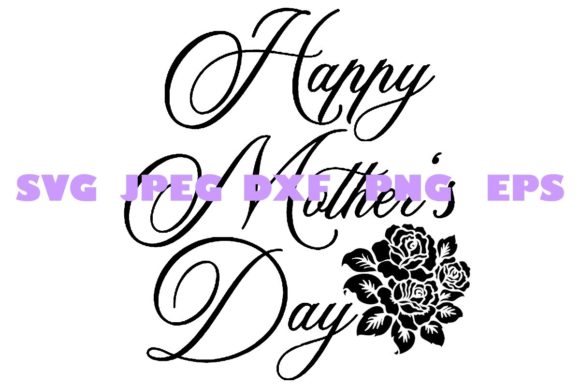
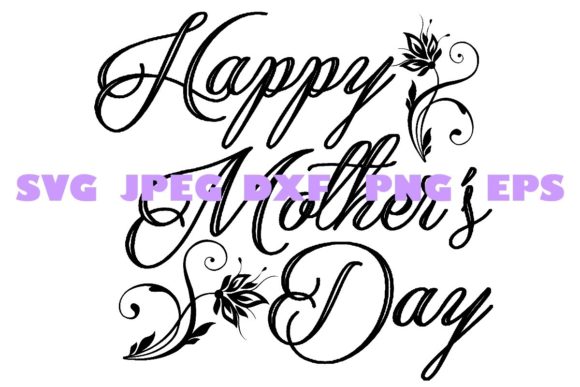
Opening Elegant Decorative Mothers Day DXF 5 feels like unfolding a handwritten note—soft curves, balanced spacing, and a quiet confidence in its composition. It’s not loud or trendy; it leans into timeless elegance with delicate flourishes around “Happy Mother’s Day,” subtle botanical hints (think slender vines or minimalist leaves), and generous negative space. As a designer who’s stitched hundreds of holiday motifs, I immediately sensed this wasn’t built for maximum density or visual noise—it’s designed to breathe on fabric. That makes it ideal for projects where refinement matters more than flash: a linen tea towel for a boutique gift set, a lightweight cotton apron for a café owner’s mom, or the front panel of a baby blanket where softness and simplicity win.
Where It Shines in Real Embroidery Projects
I tested Elegant Decorative Mothers Day DXF 5 across three real-world scenarios: a medium-weight organic cotton tote bag, a midweight French terry sweatshirt, and a 100% cotton baby onesie. On the tote, the design held crispness without stiffness—the satin stitch outlines stayed smooth, and the fill areas remained breathable thanks to moderate stitch density. On the sweatshirt, it anchored the chest area beautifully: large enough to read at arm’s length, but not so bold it overwhelmed the relaxed silhouette. Most surprisingly, it translated well onto the onesie—no puckering, no thread breakage—even though the file includes no explicit baby-embroidery optimization notes. That tells me the vector foundation is clean, and the paths are well-constructed for scaling.
For Etsy sellers and small shop owners, this design works especially well as a *starter-tier* premium embroidery file. It pairs naturally with neutral apparel—cream knits, oatmeal canvas, heather grey sweatshirts—and doesn’t demand expensive thread upgrades or specialty stabilizers to look polished. As a craft business asset, it’s versatile enough to serve both personalized gifts (“Mama” embroidered beside a monogram) and ready-to-ship merchandise (like a limited-run “Mama’s Day” pillow cover collection).
Where to Proceed Thoughtfully
That elegance comes with gentle constraints. Elegant Decorative Mothers Day DXF 5 isn’t built for tight spaces or high-detail demands. Avoid using it inside hoops smaller than 4×4 inches—some of the vine accents and serif lettering lose legibility below that scale. On stretchy fabrics like jersey or ribbed knit tees, test first with light cutaway stabilizer; the flowing lines can distort if the ground fabric shifts mid-stitch. Dark fabrics? It reads cleanly, but confirm your thread colors contrast well—especially in the thinner script strokes, which may fade visually without careful tonal pairing. And while it handles flat surfaces gracefully, skip curved applications like caps or baseball hats unless you’re willing to manually adjust placement and tension.
The PNG and SVG files are useful for mockups and digital previews—but remember: those are for visualization only. The actual machine embroidery performance depends entirely on how your digitizer interprets the DXF (or how your software converts it). If you’re offering finished embroidered products commercially, don’t assume automatic compatibility—always run a test sew-out before committing to client deadlines or inventory batches.
Design Notes Every Embroiderer Should Check Before Stitching
- Test on scrap fabric first—especially if using textured weaves or blends.
- Review stitch density in your embroidery software; dense fills may need reduced density for lightweight cotton or baby items.
- Confirm hoop size requirements before loading—don’t guess when the design spans near the edge.
- Inspect small details like terminal flourishes and inner counters in the lettering—they’re elegant but can vanish if stitched too loosely or on coarse fabric.
- Try black-and-white mockups to assess contrast and hierarchy before choosing thread colors.
- Compare performance on light vs. dark fabric—not just for visibility, but for perceived weight and warmth.
- Use appropriate stabilizer: tear-away for stable wovens, cutaway for knits or heirloom pieces.
- Verify licensing terms before selling finished embroidered goods or reselling the digital embroidery file—this listing doesn’t specify commercial use rights.
How It Elevates Your Finished Product—Beyond Aesthetics
What sets Elegant Decorative Mothers Day DXF 5 apart isn’t just prettiness—it’s how it shapes perception. When customers see this on a handmade kitchen towel or an embroidered patch sewn onto a denim jacket, they register care, intention, and quiet confidence. That translates directly to trust: buyers feel the maker chose something thoughtful, not just trending. For craft fairs or Etsy listings, that nuance lifts perceived value—no price hike needed, just stronger storytelling. It also supports brand consistency. If your shop centers around calm, nature-adjacent, or heritage-inspired design language, this motif integrates seamlessly—not as a seasonal add-on, but as a natural extension of your voice.
And for holiday gifting? It avoids cliché. No cartoon hearts or glitter fonts—just sincerity, rendered in thread. That resonates deeply with moms who appreciate subtlety over spectacle, and with adult children choosing meaningful, not merely decorative, tokens of appreciation.
A Final Word for Designers and Sellers
Elegant Decorative Mothers Day DXF 5 won’t solve every embroidery challenge—and it shouldn’t try to. Its strength lies in restraint, clarity, and quiet craftsmanship. Use it where elegance serves function: on everyday objects that become keepsakes, on apparel meant to be worn and loved, and in digital product bundles where cohesion matters more than clutter. It belongs in the toolkit of designers who understand that sometimes, the most powerful statement is made softly—stitched carefully, chosen deliberately, and gifted with heart.