Frame Ornament Decorative Graphics for Crafts
As a handmade business owner who’s shipped over 5,000 custom orders—from holiday mugs and wedding gift tags to printable planner kits and craft-fair tote bags—I opened Frame Ornament Decorative with real expectations. Not just “pretty,” but *practical*. Does it cut cleanly on my Cricut Maker? Will it hold up in sublimation prints on tumblers? Can I drop it into an Etsy digital download without pixelation or licensing hiccups? After three rounds of testing across vinyl, printable paper, and mockup templates, here’s what I found.
First Impression: Elegant, Versatile, and Quietly Premium
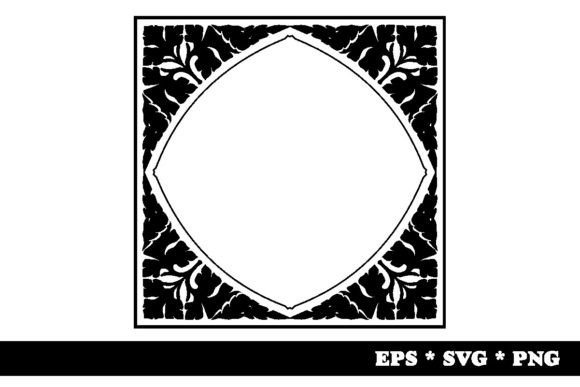
The moment I previewed the SVG and PNG files, I felt that familiar spark—this isn’t loud or trendy. It’s elegant with soft curves, balanced negative space, and subtle decorative flourishes that lean toward timeless rather than seasonal. Think bridal shower invites, boutique coffee shop branding, or minimalist baby shower decor—not cartoonish party hats or glitter-bomb graphics. It reads as feminine but not fussy, decorative but not overwhelming. My ideal customer? A discerning buyer who values craftsmanship over clutter—exactly the audience I serve on Etsy and at local markets.
Where Frame Ornament Decorative Shines in Real Crafting Workflows
This graphic design asset earns its keep across six key areas:
- Cricut & Silhouette Projects: The SVG paths are clean, with no stray nodes or overlapping strokes. I cut it flawlessly on 65-gram matte vinyl for mug wraps and used it as a layered border on a set of custom gift tags—no weeding drama, even at 2.5 inches wide.
- Sticker & Printable Design: As a PNG with transparent background (300 DPI), it dropped seamlessly into my sticker sheet layouts. Paired with a delicate serif font, it elevated my “Thank You” planner stickers from cute to cohesive.
- Mug, Tumbler & Apparel Design: For sublimation, I resized it to 3.75" width and ran a test print on a white ceramic mug—crisp edges, zero blurring. On dark products? I added a subtle white outline in Illustrator first—worth the extra minute.
- Invitations & Save-the-Dates: Used as a corner accent on a digital invitation suite, it gave structure without competing with text. Also doubled as a “frame” for client-provided photos in printable wedding favor tags.
- Product Mockups & Branding: Dropped into my Canva mockup library as a “Mockup Frame” element, it instantly polished flat-lay shots of handmade soaps and candle bundles—no Photoshop needed.
- Digital Product Bundles: Included it in a seasonal “Holiday Craft Kit” bundle alongside coordinating borders and labels. Buyers loved how it unified printable wall art, gift tags, and packaging accents.
Where to Use Frame Ornament Decorative Thoughtfully
It’s versatile—but not magic. Here’s where I slowed down and adjusted:
- Avoid under 1.25" cutting size—fine interior lines get lost on tiny sticker cuts or intricate iron-on transfers.
- Don’t layer it densely with other ornate clipart; it loses definition. Pair it with clean sans-serif fonts or subtle script—not busy display fonts.
- Test contrast on dark substrates before bulk printing. The original line weight works best on light backgrounds unless you manually thicken strokes.
- For multi-layer vinyl projects, simplify: remove inner filigree if stacking colors—otherwise alignment gets finicky.
Practical Crafter Notes You’ll Actually Use
These aren’t theoretical tips—they’re what kept me from re-printing 50 mug wraps last Tuesday:
- Always open the SVG in Design Space or Silhouette Studio first—check for hidden layers or grouped elements that might auto-resize unpredictably.
- Preview the PNG transparency against both white and black backgrounds in your design app. Some versions include faint drop shadows—great for mockups, risky for cut files.
- Confirm commercial license terms before adding to Etsy listings or client work. This one includes full commercial use—no attribution required—but always double-check the file metadata.
- Resize proportionally—and then resize again. At 4x scale for large tote bag prints, I noticed minor aliasing; a quick “smooth edges” pass in Illustrator fixed it.
- Pair intentionally: With a bold sans-serif (like Montserrat), it grounds modern branding. With a flowing script (like Pacifico), it leans romantic. With a crisp serif (like Playfair Display), it feels editorial and premium.
- Place it on real mockups early—not just in Canva, but on physical product samples. I discovered it reads better centered on gift tags than tucked into corners, based on actual shelf testing.
Why This Graphic Design Asset Fits Handmade Business Rhythms
In my shop, speed + consistency = trust. Frame Ornament Decorative lets me maintain visual cohesion across product types without redesigning from scratch each season. It’s become my go-to “elegant anchor”—used in spring wedding collections, fall planner launches, and holiday gift sets alike. Because it’s flexible enough for invitations, sturdy enough for vinyl, and clean enough for print-on-demand, it reduces my design overhead while elevating perceived value. For Etsy sellers juggling 12 product lines, Silhouette users prepping craft-fair inventory, or printable creators building digital product libraries—it’s not just another clipart download. It’s a quietly reliable tool that supports intentionality, not just output.
Final Verdict: A Thoughtful, Cross-Platform Asset Worth Keeping
If you create handmade products, manage an Etsy shop, or design for small creative businesses, Frame Ornament Decorative delivers more than decoration—it delivers workflow efficiency, brand continuity, and real-world versatility. It won’t replace your core design skills, but it will save you hours refining borders, framing photos, or building consistent mockups. Just remember: test before you batch, simplify before you layer, and always pair it with purpose—not just pattern. That’s how crafters turn graphics into goods—and assets into income.