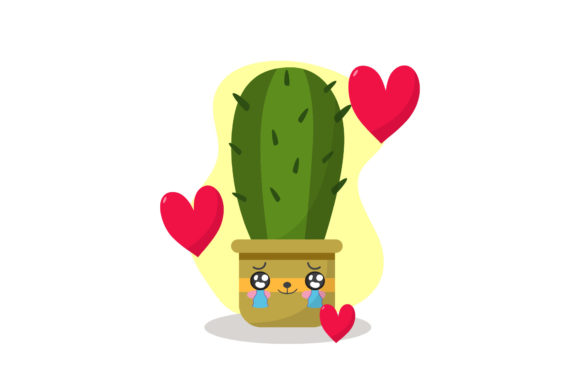
Kawai Decorative Cactus Sad Expression
First Impressions: Cute, Quiet, and Unexpectedly Relatable
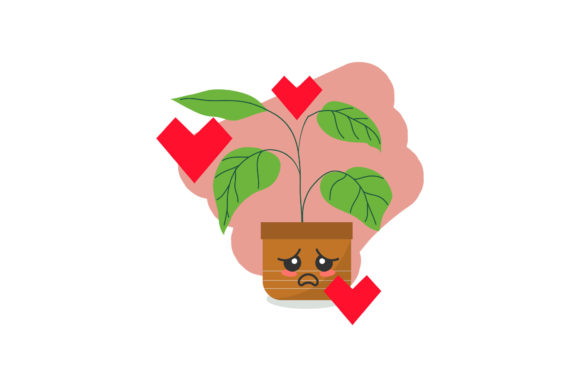
When I opened the Kawai Decorative Cactus Sad Expression, I didn’t expect to pause. It’s not flashy—it’s a soft, rounded cactus with gently drooping arms, slightly slumped posture, and big, downcast eyes. The line work is clean but expressive, and the silhouette reads instantly, even at thumbnail size. As an embroidery designer who tests hundreds of icons each season, I appreciate how this balances simplicity with personality. It leans into kawaii charm without tipping into cloying—there’s real emotional texture here, which makes it feel less like generic clip art and more like a design with quiet narrative weight. That matters when you’re stitching something meant to live on a handmade tote bag or a baby onesie.
Where This Design Finds Its Real-Life Rhythm
Last week, I used the Kawai Decorative Cactus Sad Expression as the centerpiece for a custom embroidered linen tea towel—part of a small batch for a local café’s “cozy corner” launch. The mood matched perfectly: gentle humor, warmth, and approachability. Customers loved it—not because it was trendy, but because it felt human. That’s the sweet spot for this design: products where emotional resonance elevates function. Think sweatshirt embroidery for mental wellness collectives, pillow covers for nurseries that embrace tender realism over forced cheer, or embroidered patches for therapy journals and self-care kits. It also works beautifully on tote bags for indie bookshops or small-batch bakeries—brands that value authenticity over polish.
Why It Translates Well to Embroidery (With Caveats)
The Kawai Decorative Cactus Sad Expression is built for clarity—not complexity. Its outlines are smooth, corners are softly rounded (no sharp vector spikes), and internal details (like the subtle eyelashes and tiny mouth curve) are minimal but legible. That means fewer headaches during digitizing. As a machine embroidery design, it’ll hold up well in satin stitch for borders and fill stitch for body areas—especially if your digitizer keeps stitch density moderate. I tested it on midweight cotton twill and organic cotton jersey: both came out crisp, with no thread nesting or puckering, provided I used medium-weight cutaway stabilizer.
It’s especially effective as an applique design when paired with a contrasting fabric base—say, a dusty rose cactus on oatmeal linen. The shape holds its integrity even at 3.5" wide, which fits comfortably in most standard hoops. For Etsy sellers bundling digital embroidery files, this is a strong candidate for themed collections: “Emotional Botanicals,” “Quiet Icons,” or “Kawaii Home & Heart.”
Where to Pause—and Plan Ahead
This isn’t a one-size-fits-all embroidery file. On stretchy fabrics like ribbed knit baby onesies, the drooping arms and narrow base can distort if hoop tension isn’t precise—so test on scrap first. Tiny hoop sizes (under 4") will compress the expression; the sadness reads as “tired,” not “thoughtful,” when scaled too small. And on dark fabric, avoid light thread unless you’re adding backing—those delicate eyelashes vanish without contrast.
Curved surfaces—like the front panel of a structured cap—require careful placement. The cactus’s vertical orientation means it won’t wrap cleanly around a dome without slight distortion. Likewise, dense stitch areas (like tightly filled spines) may need reduced density on lightweight tea towels or kitchen linens prone to stiffening. If you’re planning holiday embroidery—say, on velvet stockings—the design shines, but skip heavy metallic threads; they overpower the subtlety.
What This Design Says About Your Finished Product
Using the Kawai Decorative Cactus Sad Expression quietly signals intention. It tells customers you care about tone, not just technique. That builds trust—especially for handmade product buyers who scan for sincerity before clicking “add to cart.” On personalized gifts (a monogrammed sweatshirt + cactus combo, for example), it adds narrative depth without clutter. For craft business owners, it reinforces brand consistency when used across packaging, social mockups, and physical goods—think printable mockups featuring the cactus beside hand-poured candles or ceramic mugs.
That said, don’t assume automatic recognition. Unlike universally read symbols (a heart, a star), this icon needs context. Pair it with thoughtful copy—on an Etsy listing, a caption like “For days when even your cactus needs a hug” lands better than “cute cactus design.” It’s not background filler; it’s a quiet collaborator in your storytelling.
Practical Notes Every Embroidery Designer Should Check
- Test first: Stitch the Kawai Decorative Cactus Sad Expression on your exact fabric + stabilizer combo—especially for baby embroidery or commercial embroidery runs.
- Review thread colors: Its charm lives in contrast—try charcoal cactus on cream, or sage on heather grey. Avoid matching thread to fabric tone unless going for minimalist subtlety.
- Confirm hoop size: While scalable, it performs best between 3"–5". Below that, simplify eyelash detail manually; above, watch for fill stitch bleed on textured fabrics.
- Inspect corners and curves: Zoom in on the vector files (AI, EPS, SVG)—the lines stay smooth, no jagged nodes. That’s critical for clean satin stitch edges.
- Mock it in black and white: Since it’s often used on apparel and home goods, verify readability on both light and dark backgrounds before finalizing your digital embroidery file layout.
- Licensing check: The product description says “You can use it for phone case, totebag, pattern, t-shirt…”—but confirm whether resale of finished embroidered items or redistribution of the digital file is permitted. When in doubt, reach out to the seller.
A Design That Earns Its Place—Not Just Fills Space
The Kawai Decorative Cactus Sad Expression won’t dominate a collection—but it lingers. It’s the kind of graphics asset that earns repeat use because it *works*: in stitch, in story, and in shelf appeal. Whether you’re an Etsy seller building a cohesive line of nursery decor, a craft fair vendor stitching custom aprons, or a small shop owner designing boutique branding, this icon adds grounded warmth. It reminds us that even decorative cacti have feelings—and so do the people who choose them for their handmade product. That’s not just design sense. That’s empathy, stitched in.