Mandala Icon Design Decorative Asian Art
First Impressions: Calm, Balanced, and Quietly Bold
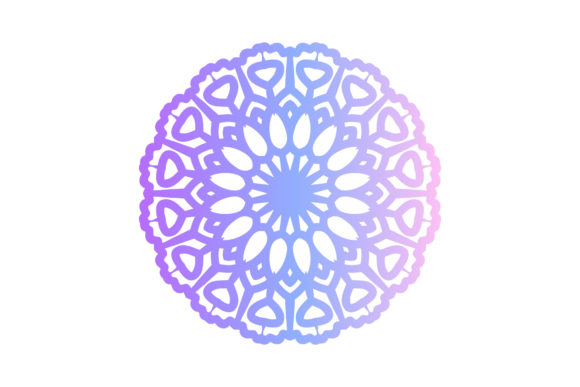
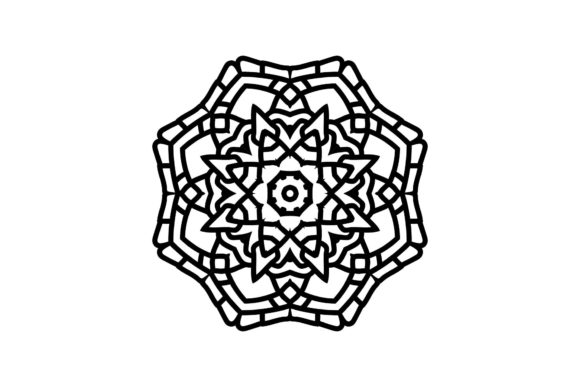
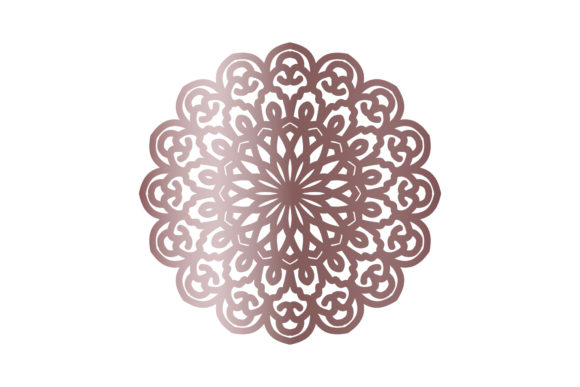
When I opened Mandala Icon Design Decorative Asian Art, I didn’t just see a graphic—I saw a mood. Clean lines, symmetrical balance, and subtle layering give it an immediate sense of harmony. It’s not overly ornate, but it’s not minimal to the point of emptiness either. The composition feels intentional: central focal point, rhythmic repetition in the outer rings, and breathing room around the edges. As a designer who regularly translates digital art into stitched reality, my first thought was, “This could hold up beautifully on a linen tea towel—or quietly elevate a baby onesie.” It leans into serenity without sacrificing visual presence.
A Real Project Test: Embroidering It on a Linen Tote Bag
Last week, I prepped Mandala Icon Design Decorative Asian Art for a custom order: a medium-weight natural linen tote for a local wellness boutique. No flashy branding—just quiet intention. I sized it to fit a 4” hoop, centered on the front panel. What stood out immediately was how well the design’s geometry translated to stitch. The outer ring reads clearly in satin stitch, the inner motifs hold definition in fill stitch, and the negative space between elements stays open—not overcrowded, even at that scale. Customers don’t buy “a mandala.” They buy calm, craftsmanship, and cohesion. This design delivers all three—if you treat it right.
Where It Shines (and Where It Needs Care)
Mandala Icon Design Decorative Asian Art works especially well for:
- Custom apparel: Sweatshirt embroidery (especially on crewnecks), lightweight cotton t-shirts, and structured caps—when hooped carefully and stabilized with medium-weight cutaway.
- Home + lifestyle goods: Pillow covers, kitchen towels, and nursery decor where softness and meaning matter more than flash.
- Personalized gifts: Baby embroidery on onesies or burp cloths, holiday embroidery on velvet stockings, or wedding gift embroidery on linen napkins.
- Small shop product: As a standalone embroidered patch or as part of a curated set of icons for Etsy sellers building a cohesive brand aesthetic.
But here’s where attention is non-negotiable:
- Small hoop sizes: Below 3”, fine details—like the innermost petal lines—may blur. Always test stitch density before committing to production.
- Textured or stretchy fabric: On terry cloth towels or jersey knit, stabilizer choice becomes critical. A tear-away alone won’t cut it—add a light iron-on backing for crispness.
- Dark fabric: The design’s subtlety means thread color contrast matters deeply. A charcoal gray mandala on black fabric will read as a shadow—not intentional detail. Stick to high-contrast pairings unless you’re aiming for tone-on-tone elegance.
- Curved surfaces: Caps and curved apron pockets require repositioning and possibly slight simplification of outer rings to avoid distortion.
What It Adds to Your Finished Product—Beyond Looks
This isn’t just about prettiness. Mandala Icon Design Decorative Asian Art elevates perceived value because it feels considered—not generic. When customers see this on a handmade product, they register care: in the symmetry, the spacing, the restraint. That builds trust. For Etsy sellers and craft fair vendors, that trust converts to repeat buyers and thoughtful reviews. For apparel decorators, it supports brand consistency—especially if you’re curating a line of mindful, nature-adjacent designs. And for creative entrepreneurs building printable mockups or digital embroidery files, its clean vector foundation (AI, EPS, SVG) makes resizing and recoloring reliable.
Practical Notes Every Embroidery Designer Should Check
Before stitching your first piece:
- Test on scrap fabric—same weight and weave as your final product. Linen behaves differently than cotton poplin.
- Review thread color contrast in both natural and artificial light. What reads well on screen may vanish on fabric.
- Inspect small details at actual stitch size. Zoom in on your embroidery software—do inner loops stay open? Are corners sharp or fuzzy?
- Check stitch density. Dense fill areas can stiffen lightweight fabrics; running stitch accents help break up heaviness.
- Confirm hoop size compatibility. The canvas is 1920 × 1280 px—that gives flexibility, but your machine’s max hoop area determines practical scaling.
- Test black-and-white mockups. If it holds impact in monochrome, it’ll translate across thread palettes and fabric types.
- Compare light vs. dark backgrounds. Does the icon gain or lose clarity? Adjust underlay or pull compensation if needed.
- Use proper stabilizer—cutaway for knits, tear-away for stable wovens, and always fuse lightweight backing for sheer or delicate layers.
- Verify licensing before selling finished items or reselling the digital embroidery file. The listing says it’s available in AI, EPS, SVG, JPG, and PNG—but commercial use rights aren’t stated. Confirm before launching your craft business product.
Final Thought: A Thoughtful Tool, Not a Trendy Gimmick
Mandala Icon Design Decorative Asian Art doesn’t shout. It settles in. That’s its strength—and its limitation. It won’t dominate a loud streetwear hoodie, but it will anchor a slow-living brand’s entire product line. It’s the kind of Icons asset that grows more useful the longer you work with it: adaptable across Graphics formats, respectful of fabric integrity, and quietly confident in its purpose. Whether you’re stitching a single personalized gift or building a collection of embroidery project templates for your small shop, this design earns its place—not because it’s trendy, but because it’s true to form, function, and feeling.