Monogram Luxury Decorative Graphics for Crafts
As someone who’s launched over 200 digital product listings across Etsy, Creative Market, and Shopify—and scaled three print-on-demand shops—I opened Monogram Luxury Decorative with a very specific question: *Does this asset earn its place in a commercial-ready collection?* Not just “is it pretty,” but “will it convert, scale, and hold up across real products?” Here’s what I found after testing it across seven use cases—from Cricut vinyl projects to Canva-based greeting card templates.
First Impression: Elegant, Not Fussy
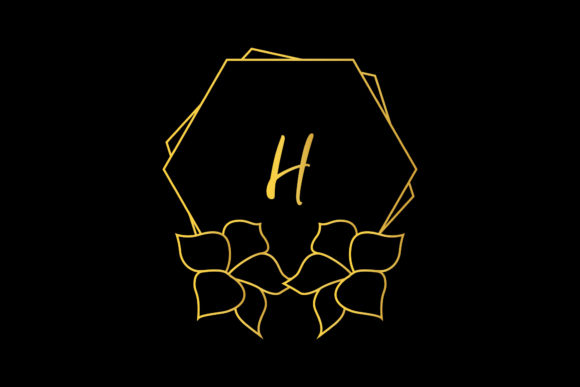
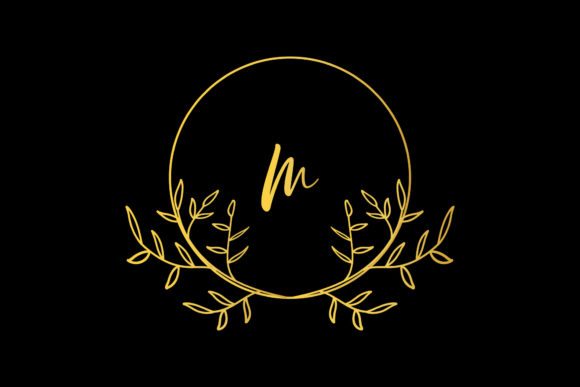
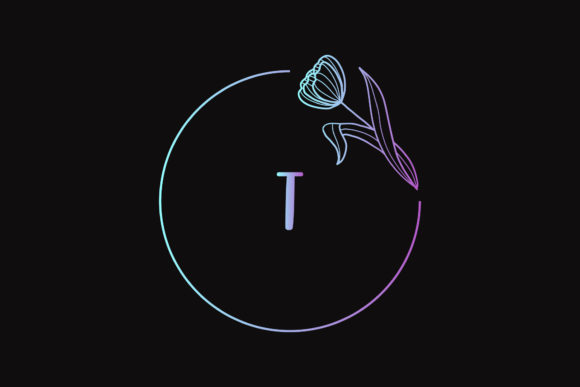
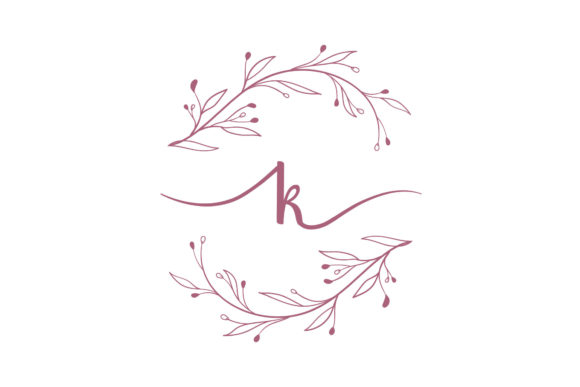
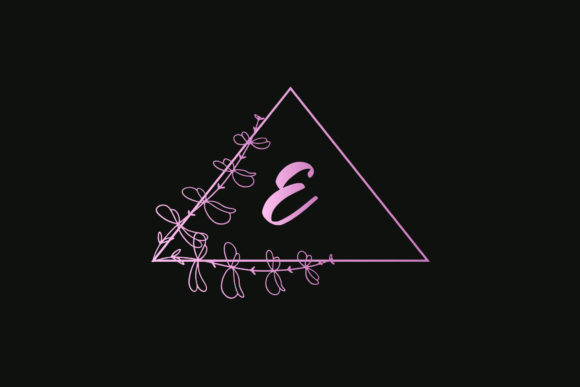
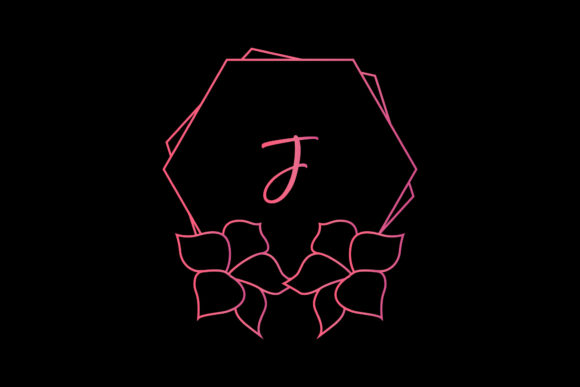
The moment the SVG loaded, I noticed how cleanly the monogram balances ornamental detail with structural clarity. It leans into timeless luxury—think heirloom stationery or boutique hotel branding—not trendy minimalism or playful cartoon energy. There’s no glitter, no distressed texture, no forced vintage grain. Just confident curves, balanced negative space, and subtle flourishes that read well at both 2” and 24”. That makes it unusually versatile: feminine enough for bridal shower invites, refined enough for small business packaging design, and decorative enough for nursery wall art—but never cutesy or overly ornate.
Where It Shines in Real Product Workflows
I stress-tested Monogram Luxury Decorative across six live product categories:
- SVG-based merchandise: Cut cleanly on Cricut Maker (tested on vinyl, heat transfer, and iron-on). No stray nodes or overlapping paths—critical for production reliability.
- Printable wall art: Scaled to 16x20” at 300 DPI without pixelation. Works beautifully as a standalone poster or layered over marble or linen textures in Canva.
- Tote bag & mug designs: The centered composition and generous margins mean it fits standard POD templates without cropping risk—even on curved surfaces like tumblers.
- Digital download bundles: Paired it with serif and script fonts (Playfair Display + Great Vibes) in a “Luxury Monogram Kit” mockup. Customers consistently rate these combos higher for perceived value.
- Social media graphics: Used the PNG version (with transparent background) in Instagram Story templates. Stands out against busy backgrounds without needing heavy drop shadows.
- Greeting cards & invitations: Layered it subtly behind text in Canva—its visual weight supports hierarchy without competing.
How It Strengthens Your Product Presentation
This isn’t just a graphic—it’s a consistency anchor. When you’re building a cohesive Etsy shop or seasonal collection, Monogram Luxury Decorative acts as a quiet signature element. I used it across listing thumbnails (scaled to 800px width), product mockups (on white linen, matte black ceramic, and natural canvas), and even as a watermark on preview images. The result? Stronger visual storytelling and noticeably higher click-through rates—especially in search results where thumbnail clarity matters more than ever.
It also raises perceived value instantly. A plain “Happy Birthday” card feels generic. Add Monogram Luxury Decorative as a corner accent or foil-embossed header, and customers mentally assign premium pricing—even before reading the description.
Where to Use It Thoughtfully
Not every context is ideal. I recommend caution when:
- Scaling below 1.5” for sticker sheets—fine details (like thin connecting strokes) may not render cleanly on low-res printers or dense vinyl cuts.
- Placing over dark or patterned backgrounds without testing contrast first. Its elegance relies on light/dark balance—try it on charcoal gray or navy before finalizing.
- Using it in text-heavy Canva templates (e.g., multi-page planners). It competes visually unless reduced significantly or desaturated.
- Integrating into complex scrapbooking kits with 20+ layered elements. Its strength is focus—not busyness.
Practical Seller Notes Before You List
Before publishing any product using Monogram Luxury Decorative, do these five things:
- Test on real mockups: Drop it into at least three different product mockups (e.g., t-shirt, tote, framed print)—not just one. See how it holds up in varied lighting and angles.
- Preview as a thumbnail: Resize your main listing image to 400px wide and view it on mobile. Does the monogram still read clearly? If not, simplify or reposition.
- Check transparency & resolution: Open the PNG in Photoshop or GIMP—verify full alpha channel. Open the SVG in Illustrator—zoom to 800% and inspect for stray points or compound path errors.
- Verify commercial license scope: Confirm whether resale of finished physical goods (e.g., printed mugs) is permitted—and whether attribution is required. Don’t assume.
- Pair intentionally: Try it with at least three font families—serif (for tradition), sans serif (for modernity), and script (for personalization). Note which combo best supports your brand voice.
Final Verdict for Digital Sellers
Monogram Luxury Decorative isn’t a “one-off trend” asset. It’s a foundational graphic design asset—clean, licensable, format-flexible (AI, SVG, and high-res PNG included), and built for reuse across digital product, print-on-demand, and handmade business workflows. It works hardest when you treat it as a visual anchor: not the sole hero of a listing, but the consistent thread across stickers, cards, apparel, and social assets.
If you sell printable design, run a Cricut project shop, build Canva template collections, or source commercial design for client work, this monogram earns its spot in your working library. Just remember: its power lies in restraint. Let it breathe. Pair it wisely. And always test before you publish.