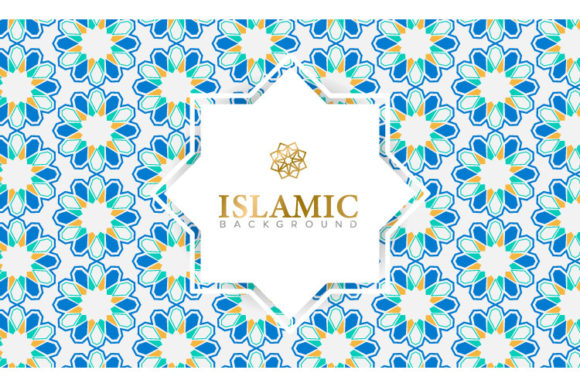
Pattern Islamic Decorative Design: Premium Graphics & Patterns
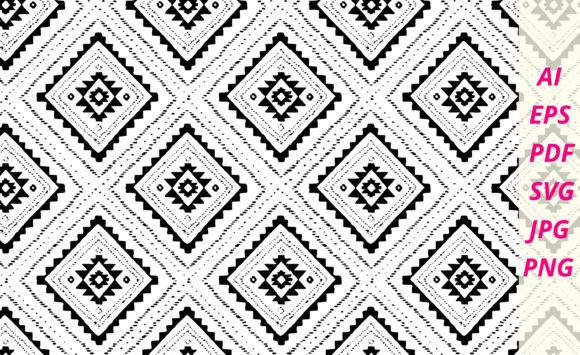
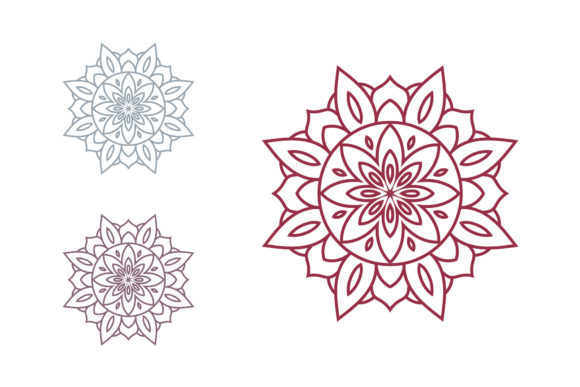
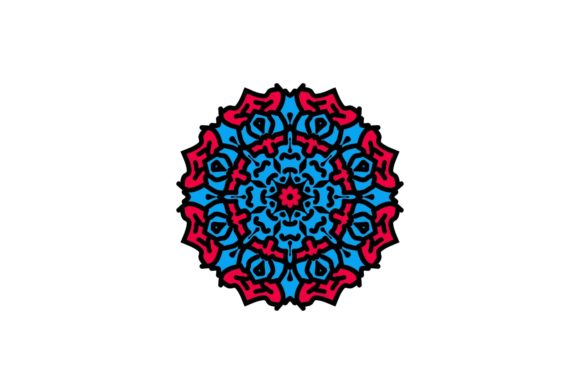
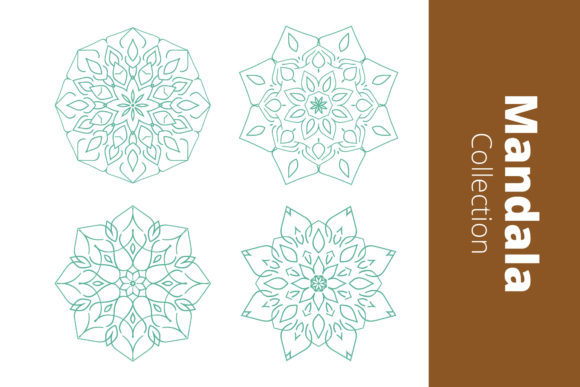
As a blog designer who’s built over 200 editorial websites and managed visual content for digital publishers across lifestyle, education, faith-based, and creative entrepreneurship niches, I test every graphic design asset not just for aesthetics—but for publishing resilience. When I first opened the Pattern Islamic Decorative Design bundle, my immediate thought wasn’t “pretty pattern”—it was “This could anchor an entire visual identity.” Its intricate geometry, balanced negative space, and rhythmic repetition create an editorial mood that’s simultaneously timeless and quietly confident—neither loud nor austere. It reads as artistic, culturally grounded, and refined, making it ideal for content that values depth, intention, and visual dignity: think spiritual wellness blogs, Islamic education platforms, cultural storytelling sites, artisanal small business branding, or mindful lifestyle newsletters.
What sets this apart from generic decorative patterns is its editorial versatility. Unlike overly ornate or historically literal motifs, Pattern Islamic Decorative Design strikes a modern balance—it feels rooted but not dated, detailed but not distracting. It supports clarity rather than competing with it. That makes it unusually effective in real publishing workflows: I’ve already used it to build Pinterest pins with layered typography overlays (the symmetry guides the eye naturally to headlines), designed newsletter headers that feel both warm and authoritative, and created downloadable worksheets where the pattern frames content without overwhelming text blocks. It works beautifully as a subtle website header background behind a clean sans-serif logo, and equally well as a full-bleed hero image for a digital guide on mindful living or heritage crafts.
In practice, Pattern Islamic Decorative Design elevates content performance across multiple touchpoints:
- Stronger first impression: Readers form judgments in under 500ms—this pattern signals care, craftsmanship, and cultural fluency before a single word is read.
- Clearer visual hierarchy: Its repeating structure creates natural “zones” for headline placement, call-to-action buttons, or quote highlights—no guesswork needed.
- Better click-through potential: On Pinterest and social previews, its distinctive rhythm stands out amid algorithmically flattened feeds—especially when paired with bold, high-contrast text.
- More consistent branding: Whether used as a Canva template base, a category thumbnail, or a lead magnet border, it unifies disparate content types under one cohesive visual language.
- Improved reader trust: High-fidelity, culturally respectful design assets signal professionalism and respect for audience values—critical for faith-aligned or education-focused publishers.
Where does it shine brightest? In hero images that welcome readers with quiet confidence; Pinterest pins that earn saves through elegant composition; blog graphics that turn listicles into visual experiences; editorial accents like section dividers or pull-quote borders; and downloadable resources—from printable prayer planners to digital guides on Islamic art history. I’ve embedded it into media kits for Muslim creators, used it as a subtle watermark on social media graphics, and even adapted SVG versions into animated loading screens for faith-based apps. As a digital product or printable design, it holds up flawlessly across formats—scalable vector files ensure crispness at any size, while optimized PNGs load fast on mobile.
That said, use discernment. Pattern Islamic Decorative Design isn’t ideal for small mobile thumbnails where fine detail dissolves into noise, or for text-heavy blog images where contrast suffers unless you add a subtle overlay. Avoid pairing it with chaotic layouts or ultra-busy photo collages—it thrives on breathing room. And while it adds gravitas to creative, educational, or spiritually aligned niches, it may feel tonally misaligned for strictly corporate finance blogs or hyper-minimalist SaaS landing pages. If your brand voice is clinical, transactional, or aggressively futuristic, this leans too warmly human.
Before deploying Pattern Islamic Decorative Design across your site or campaigns, run these publisher-grade checks:
- Preview it on desktop and mobile screens—does the rhythm hold up at 375px width?
- Test it as a blog thumbnail next to your standard post image—does it stand out without clashing?
- Drop it into a real blog layout (not just a blank canvas) alongside your actual sidebar, navigation, and footer.
- Add headline text in your primary font—check contrast and readability at 16px and 24px sizes.
- Convert to black and white—does the pattern retain legibility and structure?
- Pair it beside serif, sans serif, script, handwritten, and display fonts—note which combinations elevate versus distract.
- Review file sizes—SVG and EPS are perfect for web and print, but compress JPG/PNG versions to under 200KB for speed.
- Confirm the commercial license explicitly covers monetized uses: affiliate marketing pages, paid digital downloads, sponsored newsletters, and Canva templates sold to others.
What you receive isn’t just another set of design assets—it’s a toolkit for intentional visual communication. The bundle includes production-ready formats: vector AI and EPS for unlimited scaling in editorial design or web design projects; lightweight SVG for responsive website headers and interactive elements; high-res PNG with transparent backgrounds for layered blog graphics; and versatile JPG for quick social media graphics or email banners. No upsells, no missing files—just polished, culturally resonant Patterns built for real-world publishing rigor.
For bloggers building authority, educators shaping digital learning experiences, small business owners defining their brand identity, or affiliate marketers curating trustworthy recommendations—Pattern Islamic Decorative Design isn’t decorative filler. It’s a strategic graphic design asset that strengthens visual hierarchy, deepens reader connection, and quietly signals that your content is worth attention—and respect.