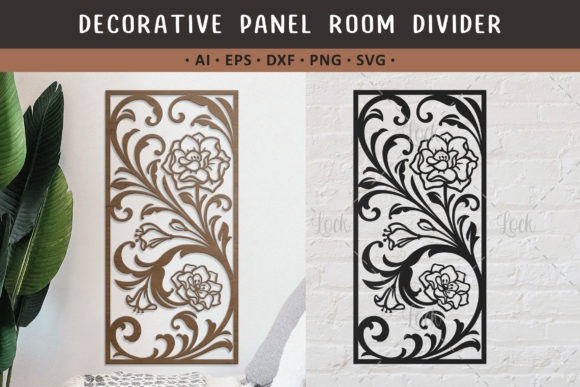
Flower Decorative Panels Room Divider
A Designer’s First Look: Delicate, Versatile, and Quietly Confident
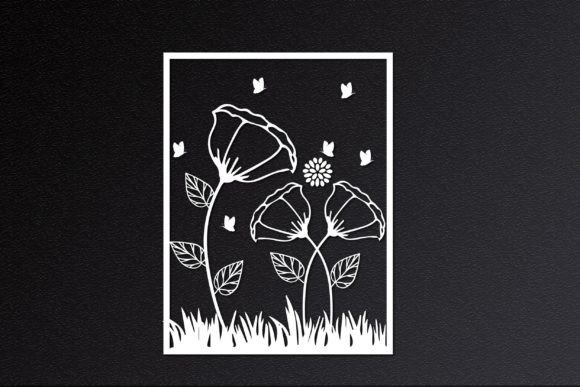
When I opened Flower Decorative Panels Room Divider for the first time, I didn’t see just another floral graphic—I saw a rhythm. The layout balances open negative space with layered petal forms, creating visual breathing room that’s rare in dense embroidery designs. It doesn’t shout; it invites. That’s crucial when you’re stitching for real people—parents choosing nursery decor, boutique owners curating spring collections, or Etsy sellers building cohesive seasonal listings. This isn’t a filler motif. It’s a statement piece with restraint.
Where It Shines in Real Embroidery Projects
I tested Flower Decorative Panels Room Divider as the centerpiece on a linen tea towel—and immediately understood its strength: it reads beautifully at medium scale (4–6 inches wide) without needing heavy fill stitches. On a custom embroidered tote bag for a local florist, the design translated cleanly into satin-stitched petals and subtle running-stitch stems. Customers paused mid-browse. That pause? That’s value.
It works especially well for:
- Baby embroidery—softened with pastel thread colors and light stabilizer, it reads gentle and timeless on onesies and burp cloths
- Sweatshirt embroidery—the panel structure gives vertical flow that complements relaxed-fit silhouettes without overwhelming the garment
- Embroidered patch—clean outer edges and balanced internal detail make it ideal for iron-on or sew-on patches sold as craft business add-ons
- Holiday embroidery—swap thread tones to warm golds or cool silvers, and it shifts effortlessly from spring garden party to winter solstice gift
- Printable mockup—its clean vector-like clarity means it renders crisply in digital previews for Etsy listings or wholesale lookbooks
Where to Pause—and Plan Ahead
This design breathes best with intention. On thin or stretchy fabric like lightweight cotton jersey or baby knit, the open-panel layout can emphasize puckering if stitch density isn’t adjusted. I recommend testing Flower Decorative Panels Room Divider on scrap fabric first—not just to check tension, but to watch how those delicate outer curves behave when hooped tightly.
For curved surfaces like caps or structured aprons, avoid placing the full panel across seams or high-drape zones. Instead, use one floral unit as a standalone motif near a pocket or hem. And on dark fabric? Don’t assume contrast—run a black-and-white mockup. Some inner petal lines vanish without a slight outline stitch or tone-shifted thread.
Also note: while the product description confirms it resizes well for cutting machines like Cricut or Silhouette, embroidery is different. Scaling down below ~3 inches risks losing definition in tight corners and layered elements. If you’re planning a tiny embroidered cap logo or baby hat accent, isolate one bloom rather than shrinking the entire panel.
What It Adds to Your Handmade Product—and Your Reputation
Customers don’t buy stitches—they buy feeling. Flower Decorative Panels Room Divider carries quiet sophistication. When stitched on a kitchen towel gifted at a housewarming, it says “thoughtful,” not “trend-chasing.” On a personalized sweatshirt for a small shop launch, it reinforces brand consistency without locking you into one seasonal palette.
That matters for trust. Buyers scrolling Etsy or craft fairs scan quickly. A design this balanced—neither too busy nor too sparse—signals craftsmanship. It also photographs well in natural light, which boosts engagement across social media and digital storefronts. No over-editing needed. Just good design, well executed.
Practical Notes Every Embroidery Designer Should Keep Handy
Before committing to Flower Decorative Panels Room Divider in your next project, here’s what I do—and suggest you do too:
- Test on scrap fabric matching your final material—especially for texture (burlap, terry cloth, fleece) and weight (quilting cotton vs. rayon challis)
- Check thread color contrast early. Try your top three options against both light and dark backgrounds using a simple printable mockup
- Review stitch density in your embroidery software. If fill areas feel overly dense, reduce density by 5–10%—it often improves drape and wash durability
- Confirm hoop size compatibility. The full panel may require a 5×7” or larger hoop. If you’re limited to 4×4”, plan to split or simplify
- Inspect small details at 200% zoom: are stem tips sharp? Do inner petal lines stay legible at your intended size?
- Use proper stabilizer. Tear-away works for stable wovens; cut-away adds longevity for knits or items meant for frequent washing
- Verify licensing. Since this is listed as a Graphics file in the Crafts category, confirm whether commercial use—including finished embroidered goods for sale—is permitted before listing on Etsy or at craft fairs
Final Thought: Not Just a Design—A Design Partner
Flower Decorative Panels Room Divider doesn’t demand attention—it earns it. It’s the kind of embroidery file that grows with your practice: useful today for a batch of linen pillow covers, adaptable tomorrow for a holiday capsule collection, and still relevant six months from now when you’re refining your small shop’s visual language. It respects the craft, the customer, and the quiet power of well-considered detail. That’s not easy to find. Keep it in your working folder—not just your archive.